What is pon substrate? Pon is a soil-free, mineral growing medium made mainly from three volcanic materials: pumice, lava rock and zeolite. You use it instead of potting mix, either in an ordinary pot or in a self-watering (semi-hydro) setup. The word “pon” is used loosely, but the product most people mean is LECHUZA-PON from the German planter maker Lechuza, which also contains a slow-release fertilizer. If you are new to soil-free growing, start with our semi-hydro hub and come back here for the details on pon.
Quick answer: Pon = pumice + lava rock + zeolite (+ fertilizer in the original Lechuza blend). Porous grains hold water while air moves between them, and the zeolite can hold on to some nutrients. Compared with LECA, it is a finer, irregular gravel rather than round clay balls, and the best-known version arrives pre-fertilized, which changes how you feed.
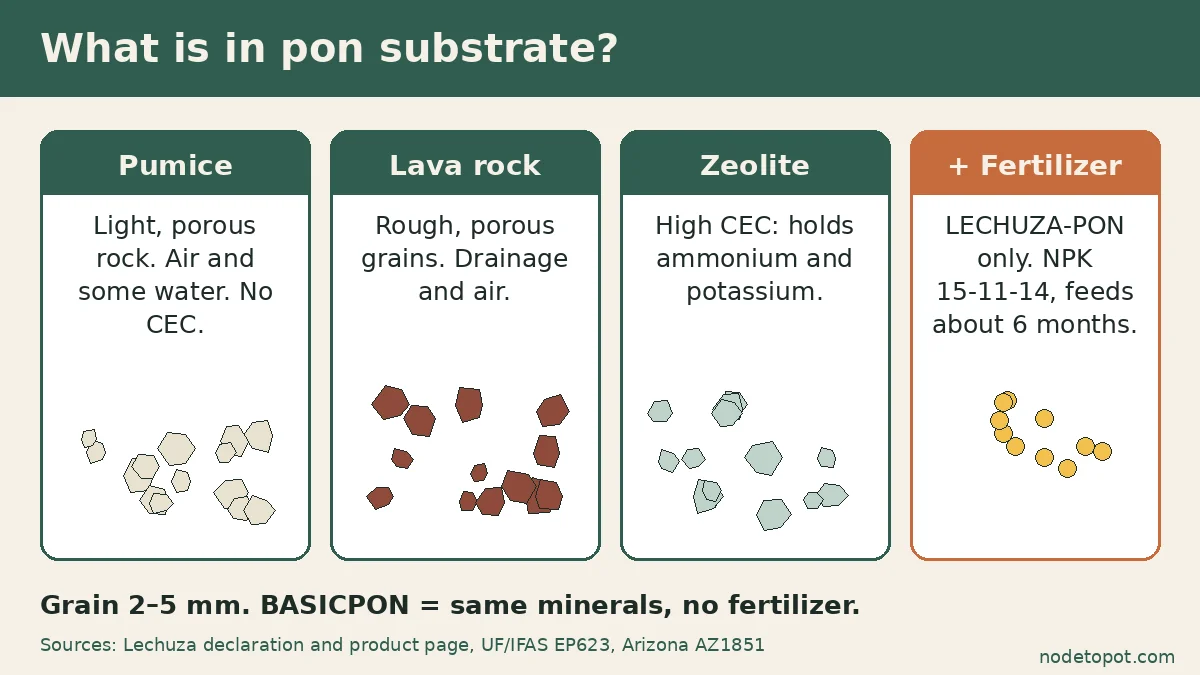
What is pon substrate made of?
Most pages stop at “pumice, lava and zeolite.” Lechuza publishes a full product declaration, and it contains details that change how you use the product. The table pairs each ingredient with what independent extension sources say about it.
| Component | What it is | What it does in the pot | Source |
|---|---|---|---|
| Pumice | Lightweight, porous volcanic rock | Adds air space and holds some water; on its own it has no cation exchange capacity (CEC), so it does not hold nutrients | UF/IFAS Extension |
| Lava rock | Porous volcanic rock; Oklahoma State notes its jagged edges | Irregular grains leave air gaps and help drainage | Oklahoma State Extension |
| Zeolite | Porous aluminosilicate mineral | High CEC (100–200 cmolc/kg), so it can hold nutrients such as ammonium and potassium and release them later | University of Arizona Extension |
| Slow-release fertilizer (LECHUZA-PON only) | Coated NPK 15-11-14 granules | Feeds the plant for about the first 6 months, per Lechuza | Lechuza declaration and product page |
The manufacturer figures worth knowing, all as stated by Lechuza:
- Particle size: 2–5 mm for the substrate (product page). The fertilizer granules are 2–4 mm (declaration).
- Fertilizer: NPK 15-11-14, feeding for about 6 months.
- pH: 8.2 measured in water, or 7.1 in calcium chloride, per the declaration. That is alkaline, not acidic. Some hobby guides call pon slightly acidic, but the manufacturer’s own figures don’t support that. The bag figure also won’t tell you exactly where your root zone ends up once tap water and fertilizer are involved, so a cheap pH test of the runoff is worth doing if plants struggle.
- Handling: the declaration notes that slight dust can occur and advises wearing gloves.
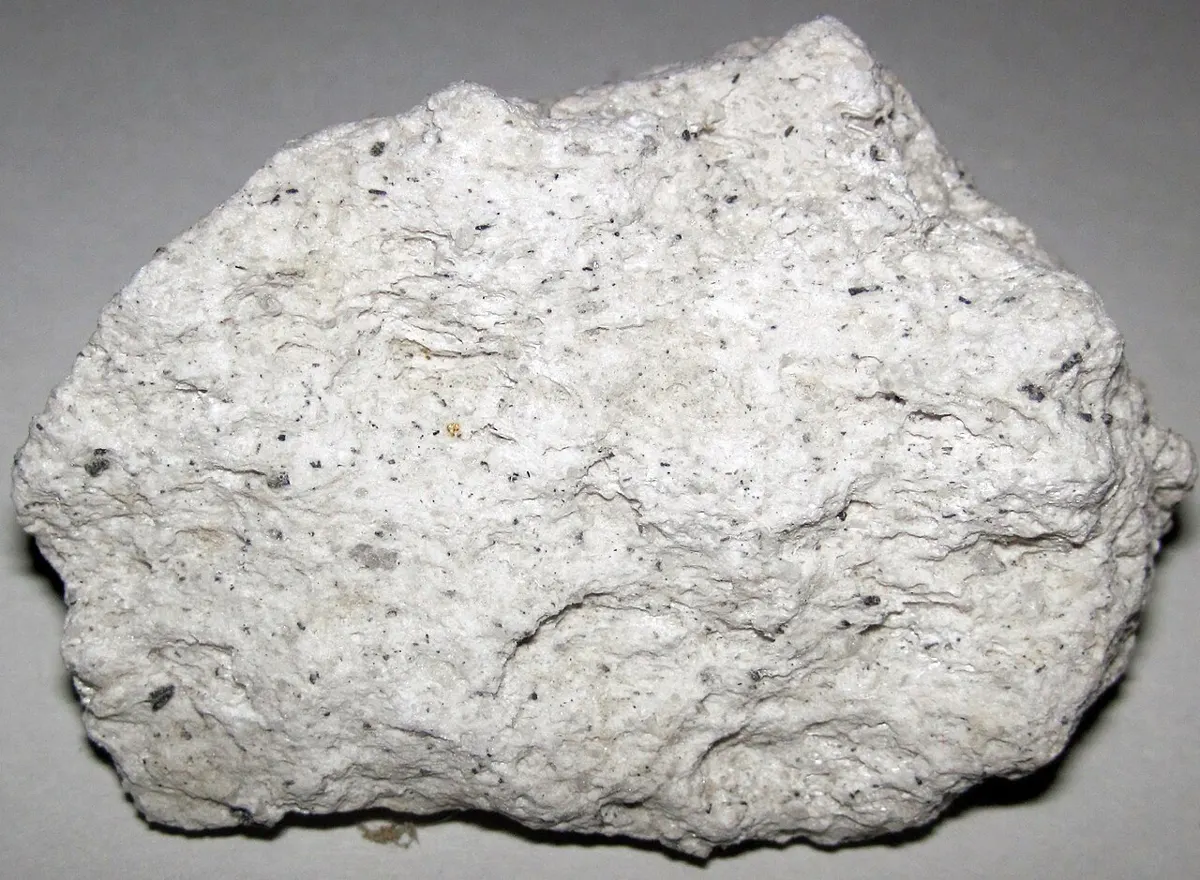
Not every “pon” is the same product
Lechuza sells more than one version. BASICPON is unfertilized, and Lechuza’s 2022 substrate overview describes it as suitable for cuttings. The PON brand site says its substrates are peat-free, but some mixes contain bark, so “pon” doesn’t automatically mean 100% mineral. Third-party “pon” blends vary even more. Read the bag for two things: does it contain fertilizer, and is anything organic in it?
How pon works in the pot
Every growing medium balances water and air. Pon gets its balance from mixing materials:
- Porous grains hold water inside them. Pumice and lava are full of small cavities, so water sits in the grains while the larger gaps between irregular grains stay open for air.
- Zeolite adds a nutrient buffer. CEC is a medium’s ability to hold and release positively charged nutrients. University of Arizona Extension puts natural zeolites at 100–200 cmolc/kg and lists ammonium and potassium among the nutrients they hold. Pumice, by contrast, has no CEC according to UF/IFAS.
- The fertilizer covers the first months. With LECHUZA-PON you don’t add feed at first. Lechuza says the built-in supply lasts about 6 months, after which you start feeding.
Lechuza’s planting instructions add something many guides skip: in its self-watering planters, water from above for the first 12 weeks while the roots grow down, and only then rely on the reservoir. In an ordinary pot, keep top-watering and check moisture with a finger or a moisture indicator.
Lechuza also says pon prevents fungus gnats. That is the manufacturer’s own claim; we have not seen an independent study confirming it.
Pon vs. LECA at a glance
| Pon (LECHUZA-PON) | LECA (expanded clay) | |
|---|---|---|
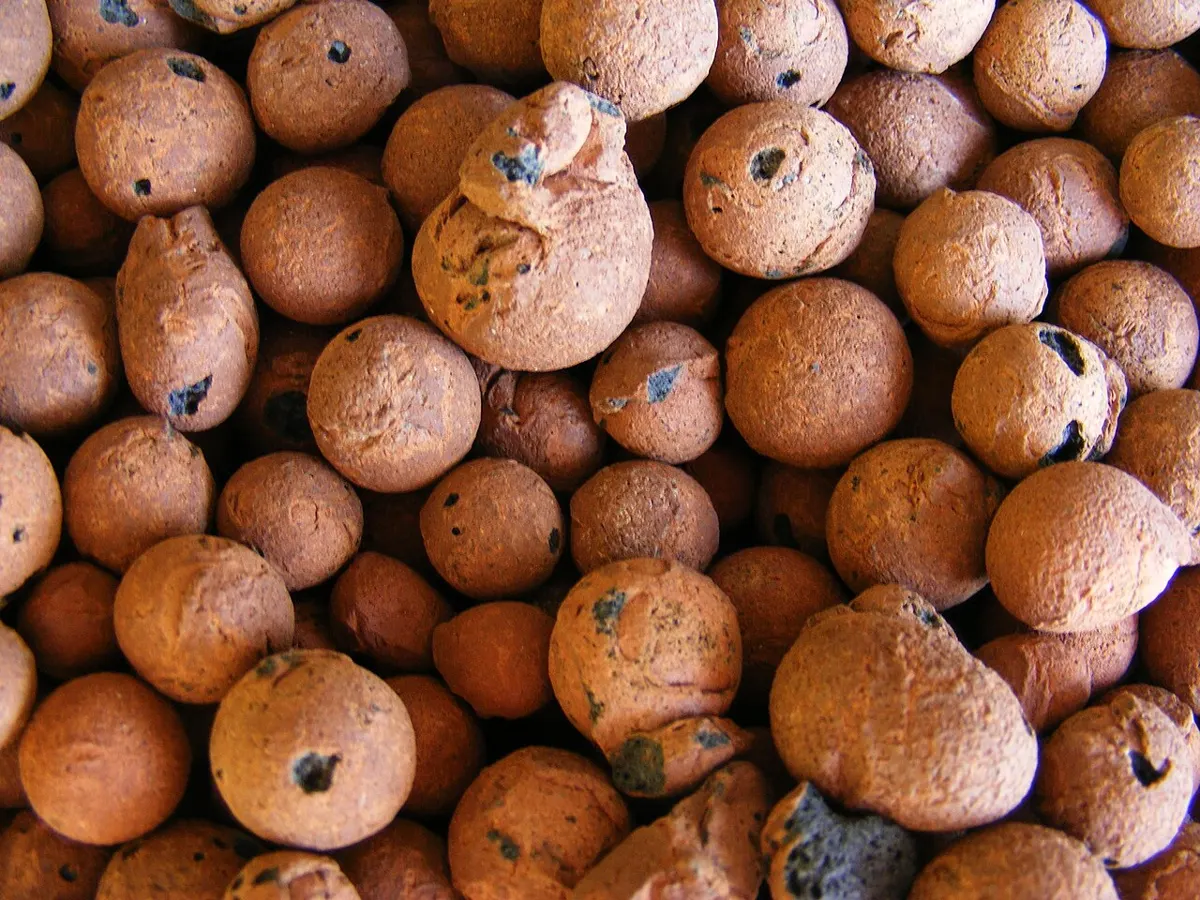
| What it is | Blend of pumice, lava rock and zeolite (+ fertilizer) | Clay fired until it expands into round, porous balls |
| Size and shape | Irregular grains, 2–5 mm (Lechuza) | Round balls; UF/IFAS lists expanded clay at 1–18 mm |
| Built-in nutrients | About 6 months’ worth in LECHUZA-PON; none in BASICPON | Almost none, per Oklahoma State |
| Nutrient holding (CEC) | Comes from the zeolite | UF/IFAS lists expanded clay as high CEC |
| Starting pH | 8.2 in water, per Lechuza’s declaration | About 7, per Oklahoma State |
| First weeks | Top-water; in Lechuza planters, for 12 weeks | Oklahoma State notes it floats until saturated |
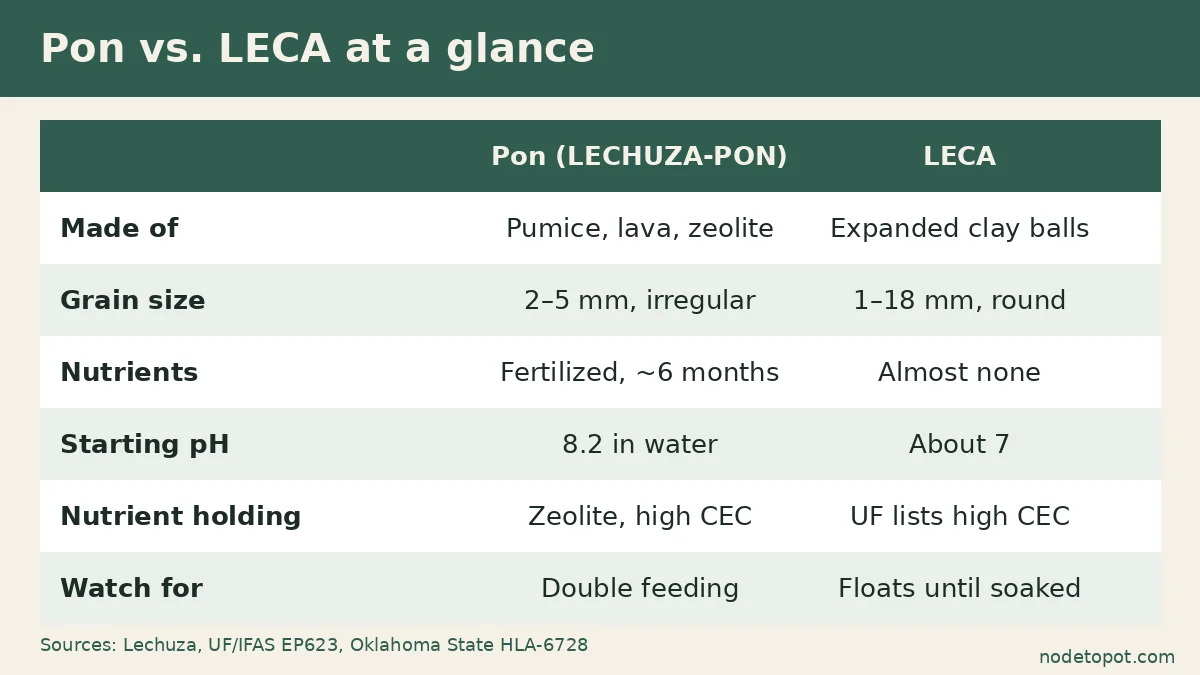
For the full head-to-head, see our LECA vs. pon comparison, and for working with clay balls, how to use LECA.
When pon is the better pick
For cuttings and fine roots. Pon’s small, irregular grains give young roots plenty of surfaces to grip. Lechuza describes its unfertilized BASICPON as suitable for cuttings, and the New Zealand retailer Love That Leaf, which sells pon, calls it “more user friendly than Leca for growing and propagating.” That is a seller’s view, not a controlled trial, but it matches how the product is designed.
In Lechuza or other self-watering planters. The original product was built as the substrate for Lechuza’s sub-irrigation planters, and its instructions are written for them.
When you want a nutrient buffer. Because zeolite holds some nutrients, a missed feeding is less abrupt. The flip side is that what you pour in isn’t exactly what the roots receive.
When LECA is the better pick
- You already feed with a complete hydroponic nutrient. Pre-fertilized pon plus your usual solution means double feeding for the first months. Choose LECA or an unfertilized pon such as BASICPON.
- You want a near-neutral starting point. Oklahoma State puts LECA at about pH 7 with almost no nutrients of its own, which makes feeding easier to control.
- You prefer larger, uniform grains around thick roots, such as on mature aroids.
How to start using pon
- Choose fertilized or unfertilized. Use LECHUZA-PON for hands-off feeding at first, or BASICPON (or a home blend) if you want to control feeding from day one. We cover blending your own in how to make pon substrate.
- Wear gloves. The declaration notes slight dust. Many growers also rinse the grains before use; Lechuza doesn’t require it.
- Pot the plant. Add a base layer, set the plant at the right height, then fill around the roots.
- Water from above. In a Lechuza planter, do this for the first 12 weeks, then switch to the reservoir. In a regular pot, keep top-watering.
- Start feeding at the right time. With LECHUZA-PON, after about 6 months. With unfertilized pon, from the start, at a gentle strength.
Moving a plant between media? Our transitions hub covers the switch, and the mediums and tools hub compares other options.
FAQ
Is pon the same as LECA?
No. LECA is round expanded clay balls. Pon is a blend of pumice, lava rock and zeolite, and the original LECHUZA-PON also contains slow-release fertilizer.
Does pon contain peat or soil?
The PON brand site says its substrates are peat-free. LECHUZA-PON is mineral plus fertilizer, but some PON-brand mixes contain bark, so check the bag.
Is pon acidic?
No. Lechuza’s declaration gives pH 8.2 in water (7.1 in calcium chloride), which is alkaline.
Do you need to fertilize pon?
Eventually, yes. Lechuza says LECHUZA-PON feeds for about six months. Unfertilized versions such as BASICPON need feeding from the start.